Bajaj Pulsar N160: Common Problems, Fixes & Ownership Guide (2026)
12 May 2026 · 7 min read
The Pulsar N160 is Bajaj's sharpest 160cc offering in Bangladesh, but like any performance bike in our climate, it has quirks worth knowing before you buy. Here is the honest breakdown from real owners.
Overview
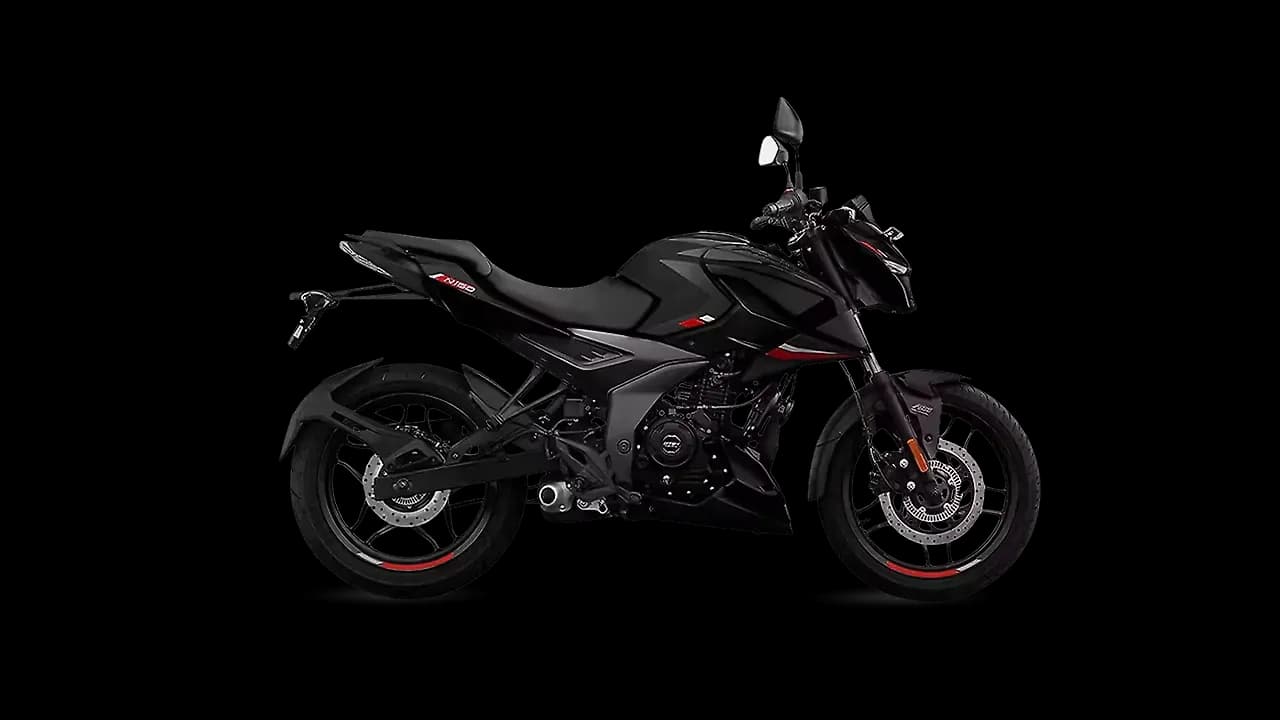
The Bajaj Pulsar N160 launched in Bangladesh at around Tk 2,69,500–2,81,000 and quickly became one of the most talked-about naked sports bikes in the 160cc segment. It runs a 165cc oil-cooled fuel-injected single, wrapped in an aggressively styled package with USD forks, dual-channel ABS, and switchable riding modes — features you rarely see at this price point.
Bajaj's partnership with Uttara Motors means parts and service are available in most divisional cities and many district-level towns, making the N160 a relatively practical daily-use choice outside Dhaka. Fuel economy in mixed Dhaka traffic comes in around 40–45 km/l.
This guide draws on owner reports from BikeBD, BikeWale, DhakaBike, and the TBS review to give you a realistic picture of what to expect after you sign the papers.
Common problems & fixes
- Handlebar vibration above 100 km/h: Multiple owners report a noticeable front-end vibration at sustained highway speeds. The N160 is genuinely best kept under 95 km/h on the highway — that is not a compromise for most BD riders. Check handlebar clamp torque at each service.
- Tank cover heat in traffic: Early owners reported the tank side-cover getting uncomfortably warm in bumper-to-bumper traffic. This appears to be an engine-heat conduction issue rather than a fault; fit aftermarket tank pads or a breathable lap guard.
- Engine oil leakage (minor): A subset of early units showed seepage near the engine head gasket or oil drain plug area before the first 5,000 km. If spotted, take the bike to your dealer under warranty promptly — do not ride with low oil.
- Fuel-tank rust risk: Bangladesh's humidity and monsoon rain can start rust inside an empty or near-empty tank within a few months. Keep the tank at least half full, and refuel with fresh petrol if the bike sits for more than three weeks.
- ABS warning light on cold start: A few owners mention the ABS indicator staying on for 5–10 seconds after ignition in cold mornings. This is a self-diagnostic cycle, not a fault — but if it stays on beyond 30 seconds, visit a service centre.
Maintenance & service tips (Bangladesh)
Change engine oil every 3,000 km rather than the manual's 5,000 km recommendation — Bangladesh's stop-go traffic and summer heat (38–42 °C) degrade oil faster than Indian test conditions assume. Use Bajaj-recommended 20W-50 semi-synthetic or full-synthetic from a sealed container; adulterated oil is common in roadside shops, so always buy from an authorised dealer.
- Chain lubrication every 500–700 km; during monsoon, every 300 km. Mud-water from flooded Dhaka roads eats chain links rapidly.
- Check tyre pressure weekly — the MRF tyres that ship with the N160 lose 2–3 PSI faster than expected in the heat.
- Flush brake fluid every 18 months; humidity causes brake fluid to absorb moisture faster here than in dry climates.
- The fuel injector rarely needs cleaning if you use quality petrol, but if you notice rough idle or poor throttle response, a dealer-run injector flush at ~40,000 km is recommended.
- First free service at 500 km is critical — valve clearances should be checked and the chain tensioned.
Is it worth buying in Bangladesh?
For a rider who wants sporty styling, ABS, and fuel injection under Tk 2.8 lakh, the N160 is one of the most complete packages available. The USD fork, dual-disc braking, and ride modes are genuinely useful features — not marketing fluff — and they hold their value well in the secondhand market.
The main caution is heat management and the absence of a slipper clutch, which you notice during heavy Dhaka traffic. If your daily commute involves extended gridlock, the slightly more upright NS160 might actually be a more comfortable city choice.
Resale is strong: an N160 in good condition loses only 15–20% in the first year. Parts supply through Uttara Motors is adequate, though some dealers outside divisional cities may need 3–5 days to source specific items.
Verdict: Recommended for riders who spend at least some time on open roads and want a bike that grows with their skill. For pure city commuting, consider the NS160 Fi ABS instead.
Sources
Specifications and pricing are for reference only and change frequently — always confirm with an authorised dealer.